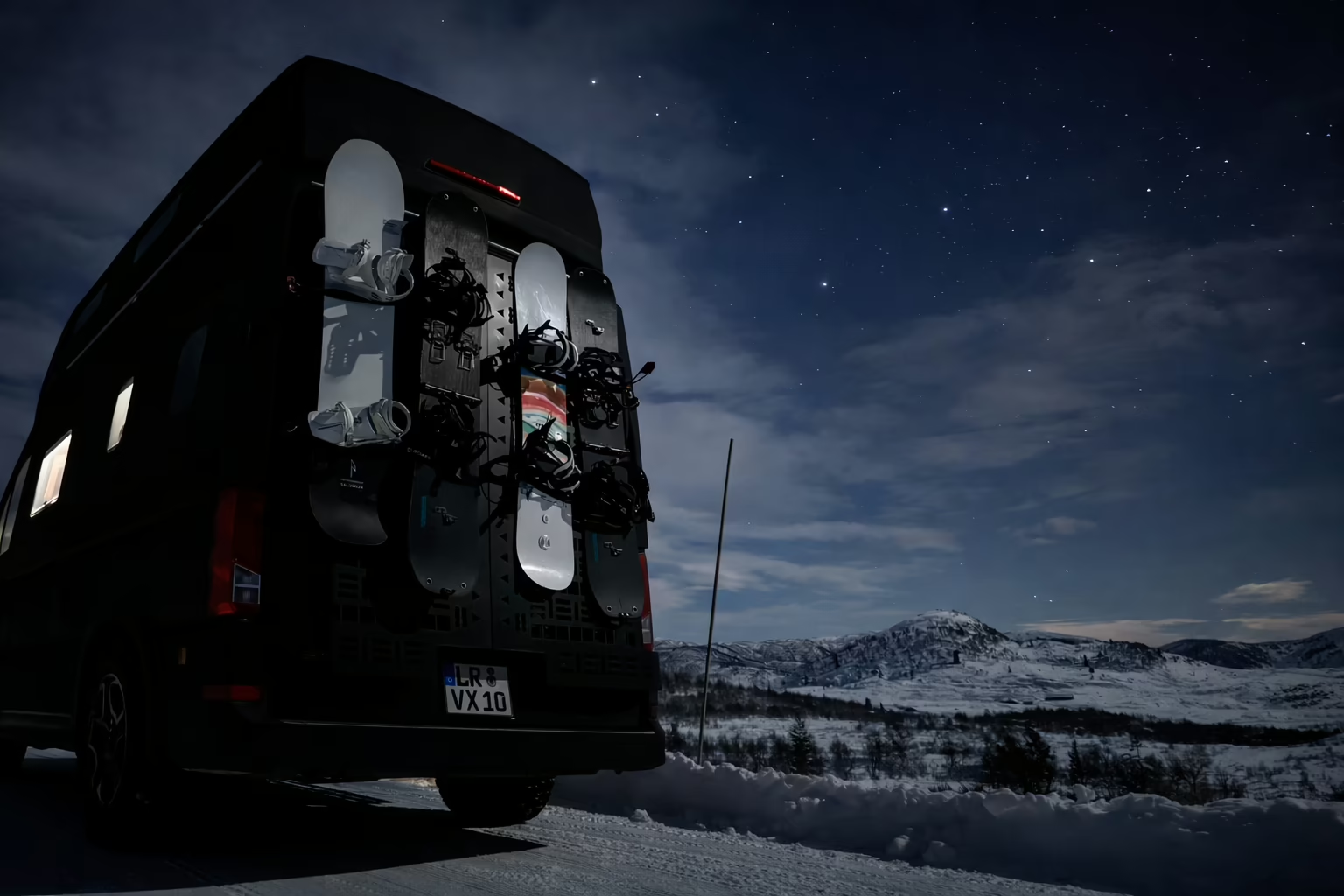
Real off-road use means more than a few gravel roads. These five requirements must be met by a camper to survive in the terrain.
1. Durable 4×4 System
A reliable all-wheel drive must be designed for continuous load and high vehicle weight. Important are:
- Stable power distribution
- Sufficient power reserves
- Robust mechanics
2. Torsion-Resistant Body Concept
The vehicle needs a structurally robust design to handle articulation and torsion forces.
- High-quality connections
- Durable materials
- Thoughtful construction
3. Low Weight with Stable Construction
Consistent lightweight construction with modern materials like carbon reduces:
- The load on suspension and drivetrain
- The risk of accidents in difficult terrain
- The wear on all components
4. Protected Technology
Electronic components need:
- Vibration-resistant mounting
- Secure housings
- Thoughtful cable routing
Only then can damage from vibrations be avoided.
5. Autonomy for Several Days
The vehicle must function independently of external infrastructure:
- Without power connection
- Without water supply
- Without external disposal
Conclusion
A true off-road camper is more than a vehicle with an all-wheel drive sticker. It's a well-thought-out overall concept of drivetrain, construction, technology, and autonomy.