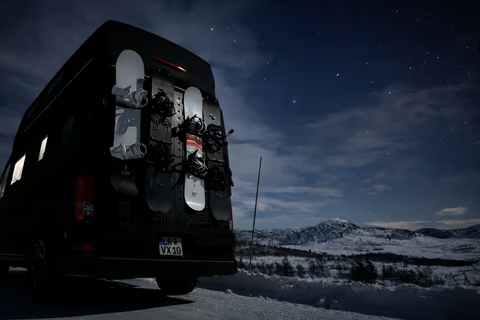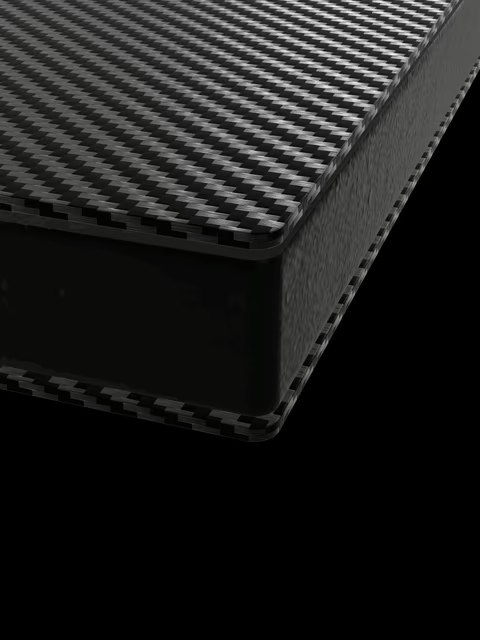
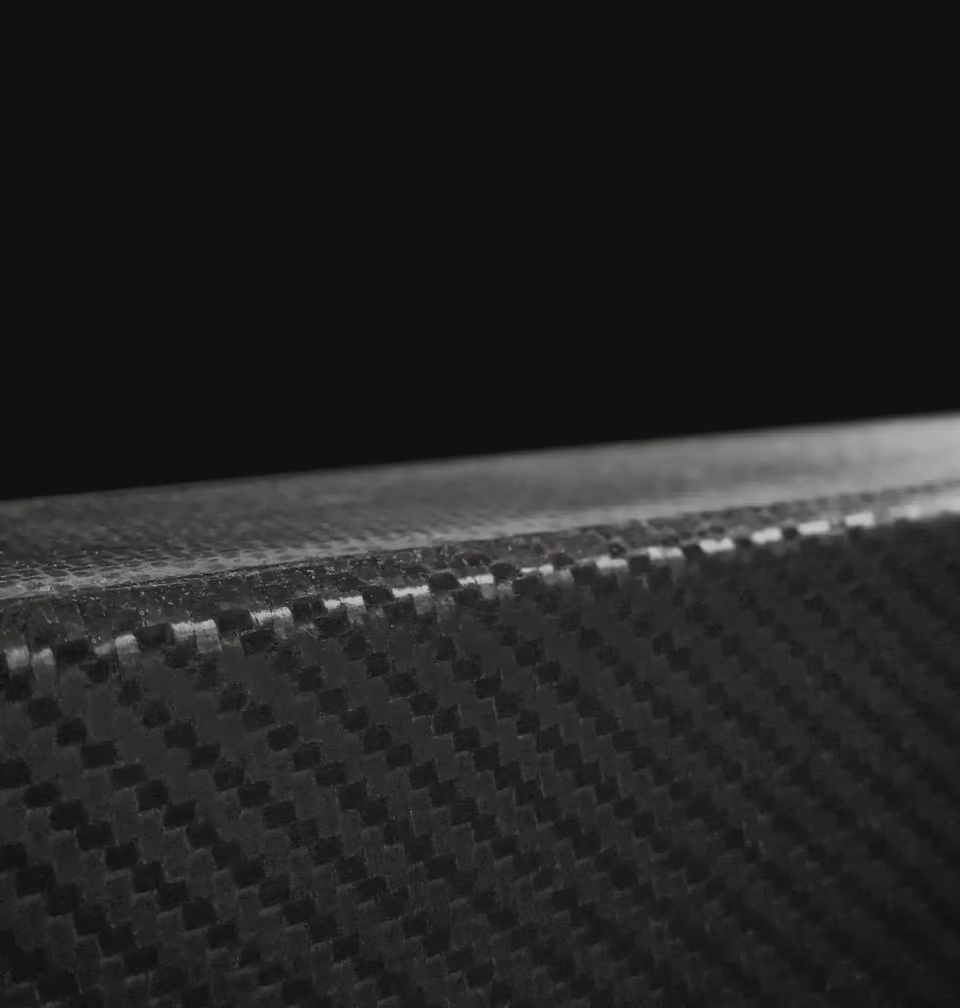
Carbon in modern campervan construction isn't a luxury trend, but a necessary innovation – especially in the off-road sector.
Material Advantages
The material offers significant weight savings – about 50% less than steel – while maintaining extreme strength.
This allows VANYX to stay under the 3.5-ton limit despite full 4×4 equipment.
Practical Applications
VANYX integrates carbon fibers in critical components:
Rear Extensions
Light and stable, optimal for off-road use. Available in the rear extension collection.
Hoods
Weight savings at a strategically important location. Available in the hood collection.
Structural Components
Stability during vibrations and extreme temperatures. How this works in detail is explained in Carbon Sandwich Constructions Explained.
Why Is This Important?
The material offers:
- Stability during off-road driving
- Corrosion resistance
- Temperature resistance
Strategic Advantage
Lightweight construction enables the combination of three requirements:
- All-wheel technology – permanent 4×4 drive
- Autonomous systems – batteries, solar, water tanks
- Luxury equipment – comfort without compromise
Without carbon, this combination would be technically difficult to achieve – at least not under 3.5 tons.
Conclusion
Carbon isn't a toy for tech enthusiasts. It's the technical foundation for a vehicle that combines off-road capability, autonomy, and luxury. A full overview is in 7 Advantages of Carbon in Campervan Construction.
Where to Go from Here
- Looking for carbon components for your vehicle? In the shop you'll find carbon hoods and carbon rear extensions.
- Have technical questions? Write to us via the contact form. We'll get back to you with a recommendation that fits your vehicle.
- More on materials and construction in the Materials & Technology category.